Periodontal Treatment Ventura and the Warning Signs of Gum Disease

Gum disease rarely arrives with drama. Most people do not wake up one morning with severe pain and a clear sense that something is wrong. What they notice first is subtler: a little blood in the sink, a persistent bad taste, gums that look puffy along the edges, or a tooth that suddenly feels different when they bite down. Those small changes matter more than many patients realize.
In practice, gum disease tends to build quietly over time. By the time it becomes uncomfortable, the infection may already have affected the tissue and bone that support the teeth. That is why conversations about periodontal treatment are not just about cleaning teeth more thoroughly. They are about preserving the foundation that keeps teeth stable, comfortable, and functional for years.
For patients looking into Periodontal Treatment Ventura, the most useful starting point is understanding what gum disease actually looks like in real life, not in textbook terms. The warning signs are often easy to miss, and the right treatment depends on how far the condition has progressed. Some cases improve with early intervention and careful home care. Others need deeper professional treatment and ongoing maintenance. The difference often comes down to timing.
What gum disease really is
Healthy gums fit snugly around the teeth. They are usually firm, pale pink to deeper rose depending on natural pigmentation, and they do not bleed during brushing or flossing. Gum disease begins when bacterial plaque accumulates along the gumline and under it. If plaque is not removed well enough, it can harden into calculus, also called tartar, which creates a rough surface where bacteria continue to thrive.
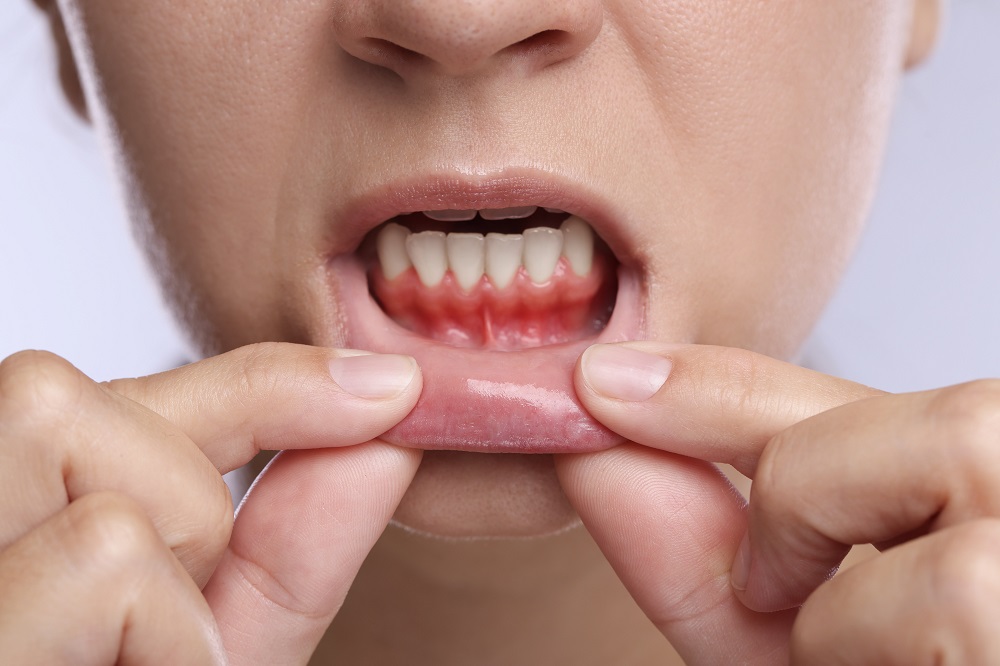
At the earliest stage, called gingivitis, the gums become inflamed. They may bleed, swell, or look shiny. Gingivitis can often be reversed because the damage is limited to soft tissue inflammation. Once the infection starts to affect the deeper attachment and supporting bone, the condition becomes periodontitis. That is a different problem. Periodontitis cannot simply be brushed away at home, and the bone loss it causes is not something the body predictably restores on its own.
One point that surprises patients is that gum disease is not always painful. Cavities often announce themselves through sensitivity. Periodontal disease often does the opposite. It advances in the background, especially in adults who have been dealing with plaque buildup, inconsistent cleanings, smoking, dry mouth, diabetes, or clenching habits for years.
The warning signs people often dismiss
Patients frequently describe the early symptoms as minor annoyances. A little bleeding, they say. Mild tenderness. A spot that feels irritated after flossing. The problem is that healthy gums do not normally bleed from routine brushing or flossing. Bleeding is one of the body’s clearest signs of inflammation.
Some of the most important signs include:
- Bleeding when brushing or flossing
- Red, swollen, or tender gums
- Persistent bad breath or a bad taste in the mouth
- Gum recession, which can make teeth look longer
- Loose teeth or changes in the way the bite feels
These signs do not all appear at once. A patient may have only one for a long time, especially bleeding or mild recession. That is part of what makes periodontal disease so easy to underestimate. I have seen many patients who sought care only because they disliked the look of “longer teeth,” then learned that the real issue was tissue loss around multiple teeth.
There are also less obvious clues. Food trapping between teeth that never used to trap food can signal shifting or early attachment loss. A space opening between front teeth in an adult is worth attention. Tooth sensitivity near the gumline can come from recession. Dentures or partials that no longer fit as expected can reflect changes in the supporting tissues.
Why bleeding gums deserve prompt attention
Many people were taught, directly or indirectly, that bleeding gums mean they need to brush less aggressively or avoid flossing for a few days. In reality, healthy tissue does not bleed from routine cleaning. When the gums bleed, there is usually inflammation caused by bacterial accumulation.
That does not mean every episode of bleeding points to advanced periodontal disease. A new flossing habit can irritate neglected areas briefly. Hormonal changes, certain medications, and dry mouth can also make the gums more reactive. Still, repeated bleeding is a reason for a proper periodontal evaluation, not a reason to wait.
The longer inflammation remains in place, the more likely it is to create deeper pockets between the teeth and gums. Those pockets are significant because they become sheltered spaces where bacteria can continue to multiply beyond the reach of ordinary brushing. Patients often feel frustrated when they are told they need more than a standard cleaning, but once pockets deepen, the issue is no longer surface stain or soft plaque. The infection lives below the gumline.
Risk factors that change the picture
Gum disease is common, but not everyone develops it at the same speed or severity. Two patients can have similar brushing habits and very different outcomes. Biology, medical history, and lifestyle all influence how the gums respond.
Smoking remains one of the strongest risk factors. Smokers may actually show less obvious bleeding than nonsmokers because nicotine affects blood flow, which can mask inflammation while the disease progresses underneath. Diabetes also matters, especially when blood sugar is poorly controlled. Elevated glucose can impair healing and increase susceptibility to infection, which creates a difficult cycle between systemic health and oral health.
Genetics play a role as well. Some people seem to accumulate damage faster despite reasonable home care. Stress, certain medications, hormonal fluctuations, autoimmune conditions, grinding and clenching, and chronic dry mouth can all worsen periodontal problems or complicate treatment.
Age by itself is not the cause, but the cumulative effect of years of plaque exposure, old restorations, recession, and medical changes means periodontal issues often become more visible as patients get older.
What happens during a periodontal evaluation
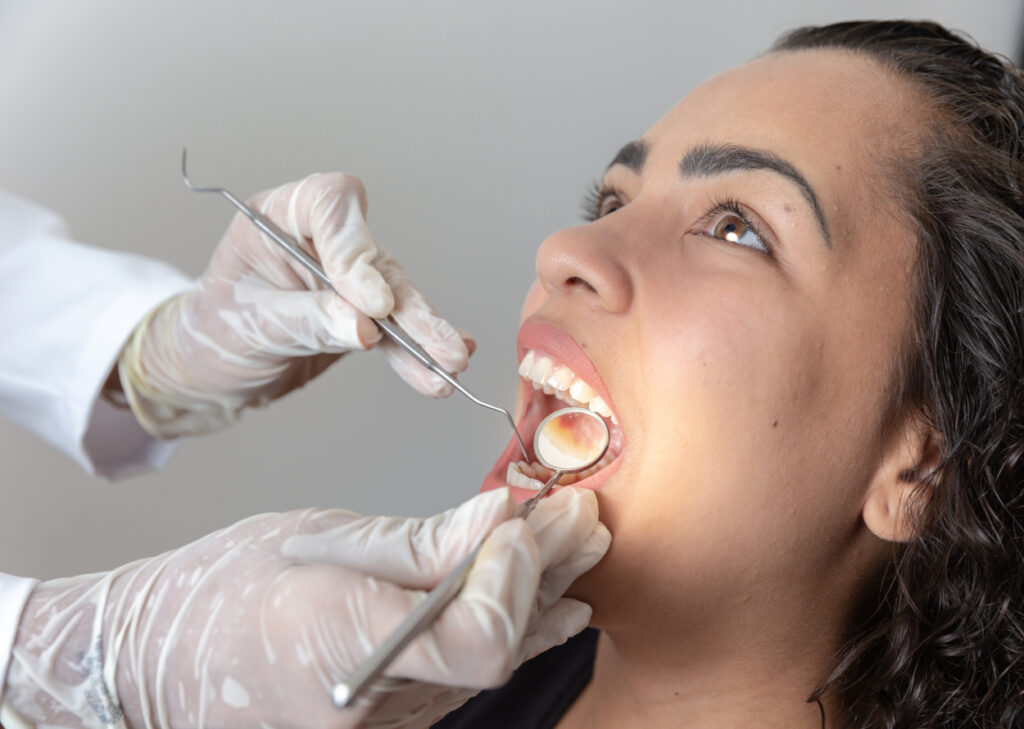
A proper gum evaluation is more detailed than many people expect. It is not just a visual glance. The clinician typically measures the depth of the spaces around the teeth, checks for bleeding, evaluates gum recession, looks for plaque and calculus deposits, and reviews X-rays to assess bone levels.
This matters because two mouths can look similar to a patient in the mirror and still have very different conditions. One person may have mild gingivitis with no lasting damage. Another may already have several deeper periodontal pockets and early bone loss. The treatment plan depends on those measurements and findings.
Patients sometimes worry when they hear numbers being called out during charting. In general terms, shallower measurements are healthier, while deeper ones may suggest attachment loss and infection. Bleeding points and recession are also important because they show where the tissue is inflamed or has already migrated away from the tooth.
A good evaluation also includes context. If someone has excellent home care but one area keeps deteriorating, the clinician may look for overhanging fillings, bite trauma, a hard-to-clean bridge, or local anatomy that traps bacteria. Periodontal treatment works best when the cause is identified, not just the symptoms.
How treatment changes from one stage to another
The phrase “deep cleaning” gets used loosely, but periodontal treatment is more specific than that. For mild inflammation confined to the gums, a professional cleaning and improved home care may be enough. Once there are deeper https://fernandozqjm758.lumenforgex.com/posts/common-symptoms-that-call-for-periodontal-treatment-ventura pockets, calculus below the gumline, and evidence of attachment loss, the goal shifts to disrupting the bacterial biofilm under the gums and giving the tissue a chance to heal in a cleaner environment.
Scaling and root planing is a common non-surgical treatment for periodontitis. It involves carefully removing deposits from beneath the gumline and smoothing the root surfaces so the tissue can reattach as well as possible. This is often done in sections of the mouth and may require local anesthetic, depending on the extent of the disease and the patient’s sensitivity.
After treatment, the gums usually need time to settle. Some tenderness, minor bleeding, and temperature sensitivity are common for a short period. The real measure of success is not whether the teeth feel polished that day, but whether the pockets become easier to maintain, the inflammation reduces, and bleeding decreases over the following weeks.
In more advanced cases, referral to a periodontist may be appropriate. Surgical therapy may be recommended when deep pockets persist despite thorough non-surgical treatment, when defects in the bone could benefit from regenerative procedures, or when recession is severe enough to affect comfort, aesthetics, or long-term stability.
What patients in Ventura should expect from periodontal care
When people search for Periodontal Treatment Ventura, they are usually trying to solve one of two problems. Either they have been told they need treatment and want to understand why, or they have noticed signs at home and want to know whether they are overreacting. In my experience, most are not overreacting enough.
A thoughtful periodontal approach in Ventura should begin with diagnosis, not assumptions. Coastal climate, busy work schedules, long gaps between preventive visits, and lifestyle factors like coffee, wine, smoking, or high stress can all shape what shows up clinically, but none of those details replaces a full exam. Patients need to know where the inflammation is, how deep the pockets are, whether bone has been lost, and what level of treatment actually fits the condition.
They should also expect honesty about maintenance. Periodontal disease is usually managed, not “cured” in the casual sense. Once a patient has had periodontitis, the mouth often needs closer follow-up. That may mean periodontal maintenance visits every three or four months instead of standard cleanings every six months. This schedule is not arbitrary. It reflects how quickly bacterial colonies can repopulate and how vulnerable previously affected sites can be.
Why regular cleanings are not always enough
This is one of the most misunderstood parts of gum care. A routine preventive cleaning is intended for a mouth that is generally healthy or has only mild gingivitis. It focuses on removing plaque, tartar, and stain above the gumline and in relatively accessible areas. It is not designed to treat established periodontal pockets with subgingival deposits and attachment loss.
Patients sometimes feel frustrated by insurance language here. They may think, “I’m already getting cleanings, why do I need something else?” The answer is clinical, not bureaucratic. If infection is sitting several millimeters under the gums, a routine prophylaxis is not enough to resolve it. Continuing to do only basic cleanings in that situation would be like sweeping the porch while ignoring water damage under the floorboards.
That said, there is also judgment involved. Not every patient with a few isolated deeper readings needs aggressive treatment immediately. Sometimes inflammation, poor recent home care, and heavy calculus make the gums measure worse than they truly are. In those cases, a clinician may begin with initial therapy and reevaluate before deciding whether specialist care or surgery is warranted. Good periodontal care balances thoroughness with restraint.
Home care after treatment, what makes the biggest difference
Professional treatment matters, but daily habits determine whether the gains hold. The patients who do best are not necessarily the ones with the most expensive toothbrushes. They are the ones who clean consistently and correctly, especially along the gumline and between the teeth.
The fundamentals are straightforward:
- Brush gently but thoroughly twice a day, focusing on the gumline
- Clean between the teeth daily with floss, interdental brushes, or other recommended aids
- Use antimicrobial rinses only when advised, since they are not a substitute for mechanical cleaning
- Keep maintenance appointments on schedule
- Address smoking, dry mouth, diabetes control, and other contributing factors
Technique matters more than force. Aggressive scrubbing does not remove subgingival bacteria better, and it can contribute to recession or root sensitivity. Many adults benefit from an electric toothbrush because it improves consistency, not because it performs magic. Interdental brushes can be especially helpful for wider spaces, bridges, and areas of recession where floss alone may not contact enough surface.
If a patient has dexterity issues, arthritis, crowding, or fixed dental work, the home care plan should be adapted. A generic lecture about “floss more” is not enough. The tools need to fit the anatomy and the person’s routine, otherwise compliance drops within weeks.
When gum recession is more than a cosmetic issue
Recession is often what brings people through the door. They notice exposed root surfaces, sensitivity to cold water, or teeth that look unusually long in photos. Recession can result from periodontal disease, aggressive brushing, thin gum tissue, orthodontic movement, or bite-related stress. Sometimes several factors overlap.
The key question is whether the recession is stable or active. Stable recession may be monitored if the area is clean, comfortable, and not progressing. Active recession, especially when paired with inflammation or attachment loss, calls for more intervention. Root exposure can increase sensitivity and make plaque control harder. In some cases, gum grafting or other periodontal procedures may be recommended to improve coverage or strengthen vulnerable tissue.
Patients are often surprised to learn that the most important issue is not appearance alone. Recession can change the long-term prognosis of a tooth if it reduces the amount of protective tissue or makes the root more prone to decay and wear.
The link between gum health and overall health
It is easy to separate the mouth from the rest of the body because dental symptoms seem local. Yet inflammation does not exist in isolation. The relationship between periodontal disease and systemic health is complex, and not every association proves direct causation, but the connection is meaningful enough that physicians and dentists pay attention to it.
People with uncontrolled diabetes often struggle with worse periodontal outcomes, and severe gum inflammation can make blood sugar management harder. Pregnant patients with gum inflammation may notice exaggerated tissue responses because of hormonal shifts. Patients with cardiovascular concerns are often advised to keep oral inflammation under control as part of broader health maintenance. Even without overstating the science, the practical message is clear: a chronically infected mouth is not a trivial issue.
Knowing when not to wait
A little gum irritation after snapping floss too hard is one thing. Ongoing bleeding, swelling, recession, persistent bad breath, or a change in how teeth fit together is another. The difficulty with periodontal disease is that waiting often feels reasonable because the condition may not hurt much. Unfortunately, that waiting period is when attachment and bone loss can continue.
If someone notices symptoms for more than a week or two, or if cleanings have become uncomfortable because the gums are so tender, it is time to have the tissues evaluated properly. The same is true for adults who have not had a periodontal charting exam in years, smokers who think their gums are “fine” because they do not bleed, and anyone who has been told they have bone loss but never fully understood what that means.
The best outcomes usually come from catching the disease before teeth become mobile and before defects become too deep to manage conservatively. That is the practical value of seeking Periodontal Treatment Ventura early. It gives the gums and supporting bone a better chance to stabilize while the treatment options are simpler, more predictable, and less invasive.
Healthy gums do not ask for much attention when they are truly healthy. They are quiet, firm, and reliable. When they start sending signals, even mild ones, it is worth listening.
Avra Dental
Address: 1708 S Victoria Ave B, Ventura, CA 93003
Phone number: (805) 941-1001
FAQ About Periodontal Treatment Ventura
Can a dentist get rid of periodontal disease?
A dentist or gum specialist (periodontist) cannot fully cure or reverse advanced periodontal disease (periodontitis), but they can successfully stop its progression and manage the infection.
Is periodontitis very serious?
Yes, periodontitis is a very serious, advanced form of gum disease that destroys the bone and tissues supporting your teeth.
How is stage 2 periodontal disease treated?
Stage 2 periodontal disease (early to moderate periodontitis) is primarily treated with non-surgical deep cleaning procedures like scaling and root planing to remove bacteria and tartar below the gumline.
Ends · ELLIOTAYBM470